Things to Do in Jeju in April
April weather, activities, events & insider tips
Shoulder Season · Good Value
April Weather in Jeju
Long-run averages for April
64°F (18°C)
High Temp
51°F (10°C)
Low Temp
3.5 inches (89 mm)
Rainfall
74%
Humidity
7
Sunny-Day UV
⚠ Jeju's spring winds are strong enough to affect driving, on exposed coastal roads and bridges. Gusts of 40-50 km/h (25-31 mph) are routine in April, and the island occasionally issues wind advisories that close the ferry to Udo Island and suspend Hallasan summit access for a day. Check the Korea Meteorological Administration forecast each morning. Commit after that.
⚠ Hallasan summit temperatures run 10-15°C (18-27°F) colder than the coast, and fog or cloud can roll in within minutes at the upper elevations. What starts as a mild April morning in Jeju City at 15°C (59°F) becomes near-freezing with wind chill at the crater rim. Pack for the peak. Hypothermia is real.
⚠ Rapid weather shifts are normal on a volcanic island in the middle of a maritime strait. A clear morning can turn to driving rain by early afternoon and back to sun by evening. Carry rain gear at all times. Avoid rigid plans. Sunshine is not guaranteed.
Is April Right for You?
Weigh the advantages and considerations before booking
Advantages
- + Cherry blossoms and canola flowers peak simultaneously across the island. Jeju's warmer microclimate pushes bloom dates a week or two earlier than mainland Korea. The volcanic black stone walls line every road. They frame knee-high canola fields in bright yellow. The cherry-lined stretch of Jeonnong-ro in Jeju City becomes a tunnel of pale pink petals. It catches the light in a way no photograph quite manages to reproduce.
- + Hallasan, Korea's highest peak at 1,950 m (6,398 ft), is at its most hikeable in April. Daytime temperatures along the Seongpanak trail hover in the 10-18°C (51-64°F) range. You're warm enough to keep moving. You avoid the drenching sweat of July. You skip the ice-crusted boardwalks of January. Azaleas are just beginning to fire up on the lower slopes. The crater lake at the summit, Baengnokdam, still carries a ring of late snow. The view from the rim is worth every step.
- + Shoulder season pricing and breathing room at the island's headline sites. The summer crush from mainland Korean vacationers hasn't arrived. Seongsan Ilchulbong's sunrise hike has elbow room on weekday mornings. Accommodation along Seogwipo's southern coast is still bookable. You don't need the two-month lead time that July and August demand. Restaurants in Jungmun and the old downtown near Dongmun Market seat walk-ins most evenings.
- + Ocean conditions off the southern coast are settled enough for dolphin-watching boats to run most mornings. The Indo-Pacific bottlenose dolphin pod lives year-round off Seogwipo. It is reliably active in spring. The volcanic sea cliffs look their sharpest from the water. The April light cuts sideways through broken clouds.
Considerations
- − Wind. Jeju is called the island of three abundances, baram, dol, yeoja, wind, stone, women. April delivers the first in force. Gusts regularly hit 40-50 km/h (25-31 mph). Coastal Olle Trail sections feel like an endurance event. Rental car doors become projectiles in exposed parking lots if you let go carelessly. The wind chill at Hallasan's summit can drop the felt temperature well below freezing. Jeju City feels mild by comparison.
- − The cherry blossom window is brutally short. It typically lasts five to seven days of peak bloom. A single night of hard rain can strip the trees bare. A sustained gust does the same. If the blossoms are the entire reason for the trip, you are betting on a narrow target. That target shifts by a week or more each year. It depends on the preceding winter's temperatures. Come with a backup reason to love Jeju. The blossoms become a bonus rather than a gamble.
- − Sea temperature sits around 13°C (55°F). Beach swimming is a nonstarter for anyone without a full wetsuit. Hyeopjae's turquoise water looks tempting from the shoreline. Hamdeok's crescent of sand is gorgeous to walk. Wading in past your ankles in April takes real commitment. If swimming and snorkeling are central to your trip, push it to late June at the earliest.
Best Activities in April
Top things to do during your visit
April on Jeju Island arrives with an average high of 18°C and a low of 10°C, a temperature band that makes the island feel like it has finally exhaled after winter. The air carries the faint sweetness of canola blossoms that blanket the lowland fields in thick yellow carpets, and the volcanic soil along the coastal olle trails is damp but firm underfoot. Rainfall sits at about 89 mm for the month, enough to produce the occasional grey morning but nowhere near the sustained downpours that arrive with June's monsoon. This is Jeju before the summer crowds descend, before humidity climbs into the eighties, and before afternoon storms become a daily event. The light in April is soft and clean, filtering through scattered cloud cover to pick out the dark basalt walls of village boundaries and the pale green of new growth on tangerine orchards. For those weighing the best time to visit Jeju, April occupies a narrow sweet spot. The island's famous haenyeo, the women divers who free-dive for sea urchin and abalone, are working the nearshore waters in conditions calm enough to watch from the rocks above. Hallasan, the shield volcano at the island's center, still holds traces of snow on its upper crater rim early in the month, and the hiking trails through its temperate forests are cool enough for a sustained climb without the heat exhaustion risk of July or August. Nights are brisk at 10°C, which means evening walks along Jeju's black-sand and white-sand beaches call for a light jacket, and the seafood restaurants along Jungmun and Hamdeok serve steaming bowls of haemul-tang whose chili-laced broth feels exactly right against the spring chill. Jeju's food scene peaks in the cooler months when black pork grilled over hardwood charcoal fills the alleyways of Jeju City's old market with a smoky, caramelized scent, and April is the tail end of that prime window before summer heat makes outdoor grilling less appealing. If rain catches you, the island's lava tubes, Manjanggul chief among them, maintain a constant cool temperature underground, and the echo of dripping water off the tube ceilings is worth the visit on its own terms. What sets an April visit apart from autumn, Jeju's other temperate shoulder season, is the color. October offers russet and amber on the slopes of Hallasan. But April delivers an almost lurid palette: the yellow of canola fields, the pink-white of cherry blossoms along the roads between Seogwipo and Jungmun, and the deep mineral grey of exposed basalt cliffs against a milky sea. The island feels transitional, caught between the spare quietness of winter and the crowded exuberance of Korean summer holiday season, and that in-between quality gives it a contemplative character that rewards slow travel and long meals.

Small Group Tour in South Jeju Healing Island w/Mt. Halla & Falls
guided_experienceThe Small Group Tour in South Jeju Healing Island with Mt. Halla and Falls threads together the island's two defining geological features in a single guided day. The route climbs into Hallasan National Park, where April's crisp air sharpens the view across the volcanic crater and the surrounding forest of Mongolian oaks just beginning to leaf out, then descends to the south coast waterfalls, Cheonjiyeon or Jeongbang among them, where meltwater and spring rain thicken the cascade enough to throw a fine mist that clings to your skin and jacket. The small group format keeps the pace unhurried, and guides familiar with the mountain's trail system route around bottlenecks that form on the more popular Seongpanak and Eorimok paths.
A single-day arc from Jeju's volcanic summit to its coastal waterfalls, with a guide who reads the mountain's moods and adjusts the route accordingly.
Insider tip: Start early enough to hit the Hallasan trailheads before mid-morning, when day-trip buses from Jeju City arrive in clusters. The first hour on the mountain is the quietest.
This month: Hallasan's upper trails can still carry patches of ice in early April. Guides carry conditions reports from the park office and will reroute to lower elevation paths if the summit trail is restricted.

Small Group Tour in East Jeju Healing Island w/Woman Divers Show
entertainmentThe Small Group Tour in East Jeju Healing Island with Woman Divers Show takes you to the windward side of Jeju, where the coastline is rougher, the villages smaller, and the tourist infrastructure thinner. The centerpiece is a live haenyeo diving demonstration, where women ranging from their fifties to their eighties wade into the cold spring sea in neoprene suits, surface with nets of sea urchin and conch, and occasionally offer a freshly opened shell to onlookers. The sound of their sumbisori, the distinctive whistling exhale they make upon surfacing, carries across the rocks with a sharp, almost musical clarity. East Jeju's volcanic landscape here is starker than the south, all exposed black stone and wind-bent pines, and the salt tang in the air is strong enough to taste.
The haenyeo diving tradition exists nowhere else in the world at this scale, and watching it from the shore rocks, close enough to hear the divers call to each other, is an experience that no museum exhibit replicates.
Insider tip: The diving shows run on a schedule that depends on tidal conditions and sea state. Confirm the timing with your guide the morning of, and bring a windbreaker because the east coast catches unbroken wind off the sea.

Private Tour in Jeju Island All Inclusive with Lunch
private_tourThe Private Tour in Jeju Island All Inclusive with Lunch strips away the logistics of navigating Jeju's winding interior roads and delivers a curated day built around your interests, whether that is volcanic geology, food, coastal scenery, or all three. Lunch is included and typically features regional dishes, think black pork bulgogi with its dense, slightly gamey char, or raw abalone sliced thin enough to see through, served with sesame oil and a gochujang dip that carries a slow, building heat. The private format means the vehicle stops when you want to photograph the canola fields or linger at a quiet stretch of beach where the sand is dark with pulverized basalt and the water runs from turquoise to slate depending on cloud cover.
A full-day private itinerary that bends entirely to your curiosity, with a local lunch that doubles as an education in Jeju's regional kitchen.
Insider tip: Ask the guide to include a stop at a local citrus orchard on the mid-slopes of Hallasan; April is late in the harvest for Jeju's hallabong tangerines but some orchards still have fruit, and the fragrance of the groves is intense, almost perfume-like.

Jeju island Southern Unesco Mt.halla ONE day Bus Tour
culturalThe Jeju Island Southern UNESCO Mt. Halla One Day Bus Tour covers Hallasan and the southern coast's UNESCO Global Geopark sites on a structured itinerary that works well for solo travelers and those who prefer not to arrange private transport. The bus route passes through stretches of Jeju's interior where the elevation gain is visible in the vegetation: subtropical laurel forest near the coast gives way to temperate broadleaf, then to the subalpine scrub near the summit zone, a compressed altitudinal transect you can watch develop through the window. At ground level, the geopark's columnar basalt formations along the Jungmun coast, Jusangjeolli, rise in tight hexagonal pillars from the surf, their surfaces slick with spray and tinged green with algae at the waterline.
The most cost-conscious way to reach Hallasan and the southern geopark sites in a single day, with a route that doubles as a geology field trip.
Insider tip: Sit on the left side of the bus heading south from Jeju City for the best views of Hallasan's slopes; on the return leg, the right side catches the coastline.
This month: April's moderate temperatures, averaging 18°C, make the outdoor geopark stops comfortable without the sweat-soaked exhaustion that July and August bring at these same sites.

Jeju island Jumbo taxi Private Tour with Mr.Hong west of jeju
transportThe Jeju Island Jumbo Taxi Private Tour with Mr. Hong covers the western half of the island, the side that most day-trip itineraries underserve. West Jeju is where the landscape turns pastoral: stone-walled horse paddocks, wind turbines turning slowly above green hillsides, and the tidal flats near Hallim where the receding sea exposes fields of dark rock pools teeming with small crabs and anemones. Mr. Hong's jumbo taxi format, essentially a large van with flexible routing, means the day can pivot from a planned stop at Hyeopjae Beach, where the sand is a pale shell-white that contrasts sharply with the black lava outcrops, to an unscheduled detour through a village where an elderly woman is roasting sweet potatoes over a charcoal drum on the roadside, the smell of caramelized starch drifting across the lane.
West Jeju's quieter, more rural character rewards the flexibility of a private vehicle, and a driver who knows the back roads turns a sightseeing day into something closer to a local's weekend drive.
Insider tip: Ask Mr. Hong to stop at one of the small cafes built into converted stone houses near Aewol. The pour-over coffee is strong and the ocean views from the terrace are unobstructed, and the mid-afternoon lull between lunch crowds and sunset visitors means you may have the place to yourselves.

Full Day Essential Jeju Island Private tour for West Course
day_tripThe Full Day Essential Jeju Island Private Tour for West Course is a structured private itinerary that methodically covers western Jeju's marquee stops: the Hallim Park lava tubes, O'sulloc Tea Museum's rolling green fields, and the coastal cliffs near Yongmeori where the sedimentary rock layers, tilted and eroded by centuries of wave action, look like the pages of a half-open book viewed from the side. The tea fields at O'sulloc in April are at their most vivid green, the first spring flush of leaves producing a color so saturated it almost looks artificial against the grey sky, and the vegetal, slightly sweet scent of fresh tea leaves hangs in the humid air around the processing buildings. This tour suits travelers who want western Jeju's greatest hits organized efficiently, with a knowledgeable driver-guide who handles the logistics of parking, timing, and sequencing.
A single coherent day across western Jeju's best landscape and cultural stops, sequenced so each site lands at the right time of day for light and crowd levels.
Insider tip: At Yongmeori, the coastal trail closes during high winds or heavy surf. If conditions are marginal, ask the guide to check before driving out, and have Cheonjeyeon Falls as a backup so the day does not lose momentum.
Where to Stay in Jeju in April
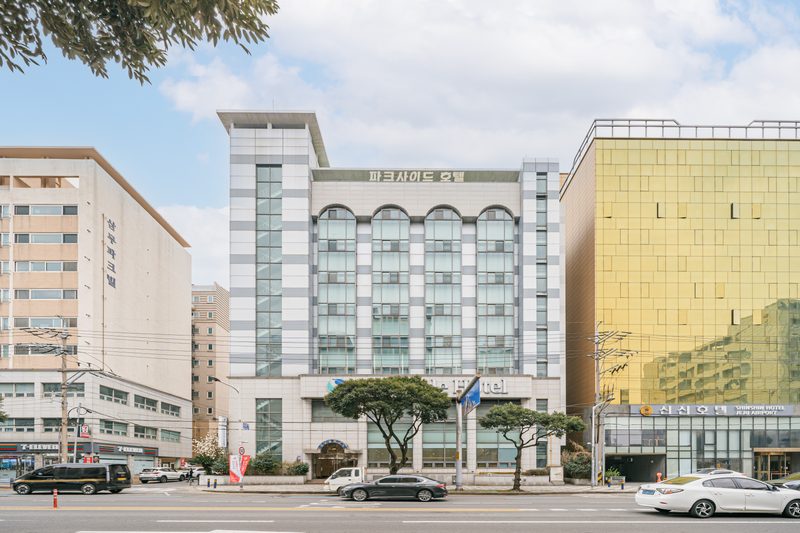
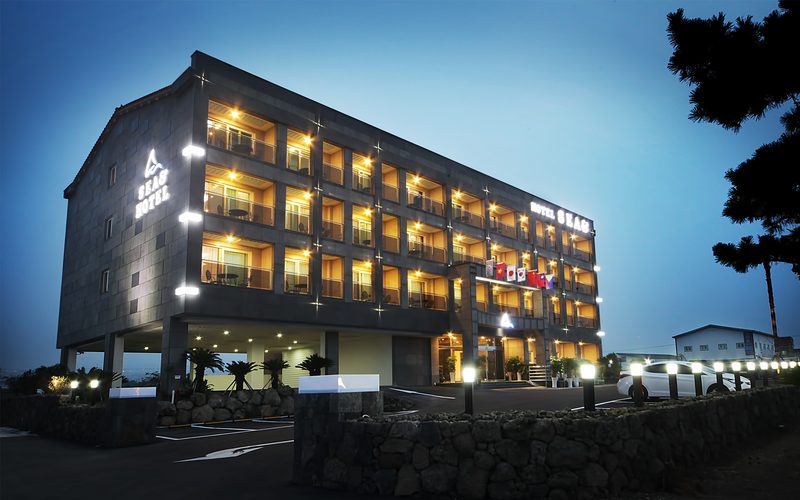
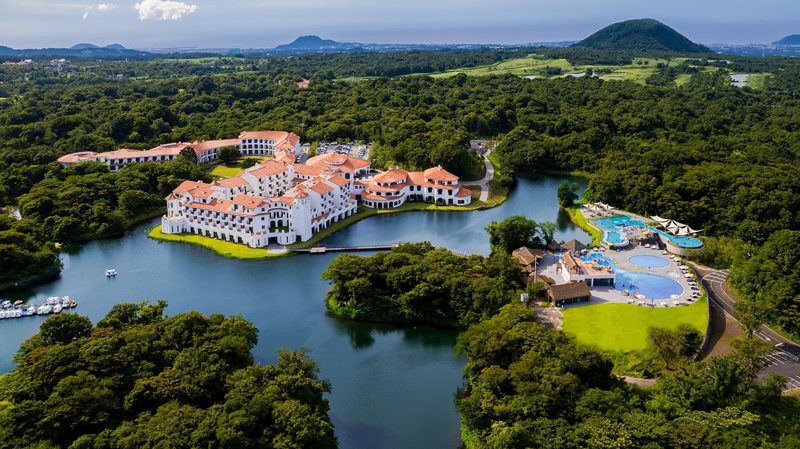
Hand-picked hotels across price tiers for April travellers.
Packing Checklist
Bookmark this page — your progress is saved between visits
Need the full list with shopping links?
Climate-specific gear, brand recommendations, and what to leave at home.
View Jeju Packing List →Essential Tips
Insider knowledge and common pitfalls to avoid
Insider Knowledge
Hallasan's summit trails require advance reservation through the Korea National Park Service booking system. Popular slots on weekends during cherry blossom season fill days ahead. Book the moment slots open. Choose a weekday if you can. The park enforces strict ascent cutoff times. These are typically around noon for summit-bound routes. Rangers will physically turn you back if you arrive late to the checkpoint. No exceptions. No negotiation.
Rent a car. Jeju's public bus system covers the main routes. But the island's best coastline sits between bus stops. This includes the volcanic formations at Jungmun, the canola fields along Noksan-ro, and the quiet southern fishing villages. Driving distances are short. You can circle the entire island in three hours without stopping. Korean rental agencies at Jeju Airport are efficient. Drive the coastal road clockwise from Seogwipo to Seongsan in the morning. This gives you the best light.
Seogwipo's southern coast tends to run a degree or two warmer than Jeju City. It is also a notch less windy. Jeju City on the north side faces the open strait. If you are splitting your stay between two bases, put the Seogwipo nights in the front half. You acclimate to the milder side first. The food in Seogwipo's old harbour district is better than equivalent spots in Jeju City. Try the raw fish restaurants. Try the jeonbok-juk shops that have been serving abalone porridge since before the tourist boom. Prices tend to be a touch lower there too.
After dark, Jeju is quiet by Seoul standards. That is part of the appeal. The Dongmun Night Market in Jeju City is the liveliest evening option. It is a covered alley of stalls selling grilled black pork skewers, hallabong juice, and sea urchin fried rice. Yeon-dong has a bar strip that caters mostly to Korean tourists. A few craft beer spots have opened in recent years. Seogwipo after 9 PM is sleepy. If nightlife matters to you, concentrate your evenings in Jeju City.
Avoid These Mistakes
Packing for a tropical island. Jeju sits at roughly the same latitude as southern Spain, and April mornings at 10°C (51°F) with ocean wind feel cold, if you have just arrived from Seoul expecting spring warmth. First-timers in shorts and sandals at Seongsan Ilchulbong's dawn hike look miserable by the time they reach the rim. Layer up. Keep the beach clothes for July.
Trying to drive the entire island in a single day without stops that matter. The coastal road is only about 180 km (112 miles) around, which looks easy on a map. But every volcanic outcrop, fishing village, and canola field begs for a stop, and rushing turns Jeju into a highway instead of a landscape. Pick either the east coast or the west coast for a single day. Give it the full morning-to-sunset arc. Save the other half for tomorrow.
Skipping the southern coast entirely. Most first-time visitors anchor in Jeju City because the airport is there, see the north-side attractions, and leave without ever reaching Seogwipo, Jungmun's columnar basalt cliffs, or the Cheonjiyeon waterfall. The southern half of the island is where the volcanic geology gets dramatic, the food runs deeper, and the crowds thin out. Spend at least two nights on the south side. Three days demands this.
Ready to plan your trip to Jeju?
Now that you've got the research covered, here's where to go next.
Explore More Activities in Jeju
Didn't see anything interesting yet?
Browse Viator's full catalog of tours, day trips, food experiences, and private guides in Jeju.
See All Jeju Tours on Viator