Things to Do in Jeju in February
February weather, activities, events & insider tips
Low Season · Budget Friendly
February Weather in Jeju
Long-run averages for February
49°F (9°C)
High Temp
39°F (4°C)
Low Temp
2.3 inches (58 mm)
Rainfall
78%
Humidity
4
Sunny-Day UV
⚠ Jeju's February wind regularly sustains 40 to 60 km/h (25 to 37 mph) with gusts above 80 km/h (50 mph) on exposed coastline and elevated trails. Wind chill pushes felt temperatures well below the measured air temperature, and the Hallasan summit and Seongsan Ilchulbong crater rim are the worst-hit spots. Check the wind forecast daily. Be prepared to change plans when gusts peak.
⚠ Hallasan's upper trails above the treeline accumulate ice and compacted snow through February, and the national park closes summit access on days when conditions are deemed unsafe. Microspikes are strongly recommended even on open days, and the park service will refuse entry to hikers without adequate footwear and gear when ice is present.
Is February Right for You?
Weigh the advantages and considerations before booking
Advantages
- + February ranks among Jeju's driest months. Just 58 mm (2.3 inches) of rainfall leaves skies clearer for Hallasan summit views and Seongsan Ilchulbong sunrises than anything June through September delivers, when monsoon downpours drown the island.
- + Tangerine season peaks now. Jeju's hallabong citrus, a thick-skinned hybrid tasting like mandarin crossed with honey and aged in cold volcanic soil, hits peak sweetness in February. Orchards across eastern slopes around Namwon and Seongsan still offer picking experiences. The sharp citrus scent hanging over groves in cold morning air counts among the island's most underrated sensory moments.
- + Crowds thin dramatically after Seollal ends. Olle hiking trails bottlenecked with tour groups in October stand nearly empty by mid-February. Lava tubes feel cavernous, not like subway platforms. You will likely have stretches of Jungmun's coastline almost entirely to yourself.
- + Winter light transforms the volcanic landscape. Low-angle sun picks up textures in Jeju's basalt walls and oreum hillsides that flatten under summer's overhead glare. On clear mornings, snow on Hallasan's summit catches pink light against steel-blue sea. Worth the early wake-up.
Considerations
- − Jeju's February wind demands respect. The island sits exposed in the East China Sea with nothing blocking incoming gales. Sustained winds of 40 to 60 km/h (25 to 37 mph) are routine, not exceptional. Wind chill pushes felt temperature well below freezing even when thermometers read 4°C (39°F). On worst days, gusts physically shove you sideways on exposed coastal paths.
- − Water activities are essentially off the table. Sea temperatures hover around 13°C (55°F). Beaches stay windswept and empty for good reason. Most dive operators and boat tour companies suspend operations or run reduced schedules. If snorkeling at Hyeopjae Beach matters to you, visit in July instead.
- − Seollal, the Lunar New Year holiday, likely falls in early February 2027. The island becomes a domestic travel increase for roughly five days. Accommodation in Jeju City and Seogwipo books out weeks ahead. Car rental fleets thin to nothing. Restaurants in popular areas run wait times testing anyone's patience. Book aggressively early if dates overlap, or shift by a week.
Best Activities in February
Top things to do during your visit
February strips Jeju down to its essentials. The volcanic island sits under a pale winter sky. Its coastal cliffs edge with salt spray. The dark basalt stone of village walls grows slick from intermittent drizzle. Daytime temperatures hover around 9 degrees Celsius. They drop to near 4 degrees after sunset. Layers are non-negotiable. The wind off the East China Sea cuts sharper than any thermometer suggests. Rainfall is among the lightest of any month on Jeju. It averages just 58 millimeters. The odds of a dry hiking day are better now than at almost any other point in the year. The light is low and silver, good for photography. The absence of the summer haze that blankets the island from June through September means Hallasan, the dormant shield volcano at Jeju's center, stands out in clean relief against the winter air. This is the island's quietest season. That quiet has its own texture. The seafood markets in Jeju City smell of raw brine and the char of grilled abalone from portable braziers. You can linger at a counter without elbowing through tour groups. The haenyeo, Jeju's free-diving women, still work through winter. They surface in the cold shallows with their signature whistle-exhale. They haul sea urchin and conch from water cold enough to ache. Tangerine orchards across the island's southern slopes carry the last of the winter crop. Roadside stands sell the fruit still warm from the greenhouse. The rind releases a sharp citrus oil when you tear it open. At night, the black-pork restaurants along Tapdong fill with the sizzle of thick-cut samgyeopsal on tabletop grills. The fatty smoke drifts into streets that are otherwise empty and cold. February on Jeju rewards the traveler willing to trade crowds and warm sand for solitude, stark volcanic landscapes, and the kind of unguarded access to local life that the peak months cannot offer. For those wondering about the best time to visit Jeju, February occupies a distinct niche. The beaches at Hyeopjae and Hamdeok are too cold for swimming but spectacular for walking. The turquoise water stays vivid against white sand even under overcast skies. Accommodation is easier to find and less costly than the July and August peak, when the island's population effectively doubles. The roads through Jeju's interior, which gridlock in summer, are open and unhurried. If you are weighing a winter trip against a shoulder-season visit, know that March brings roughly 60 percent more rain. The mild temperatures do not meaningfully arrive until April. February is lean, cold, and honest. The island wears it well.

Small Group Tour in South Jeju Healing Island w/Mt. Halla & Falls
guided_experienceThe south Jeju small group tour reaches the parts of the island where the volcanic geology is most dramatic and the tourism infrastructure thinnest. The route threads through the flanks of Hallasan, Korea's tallest peak. The trail air smells of damp pine and decaying leaf litter. The sound of falling water carries long before you see the cascades. The waterfalls on this itinerary, including Cheonjiyeon and Jeongbang, run year-round. In February the reduced flow makes them easier to appreciate. The water traces clean white lines down moss-blackened basalt columns rather than crashing in the summer torrent that obscures the rock face.
This tour compresses Jeju's most geologically striking southern landscape, from the summit slopes of Hallasan to the coastal waterfalls, into a single guided day with a group small enough that you can hear the guide over the wind.
Insider tip: Wear waterproof boots with ankle support rather than sneakers. The trail sections near the falls are slippery with mist even in dry weather. In February the stone steps hold a thin film of condensation that regular soles cannot grip.
This month: February's low rainfall means the hiking trails on Hallasan's flanks are less muddy than in the wetter spring months, though wind chill on exposed ridges can make the 9-degree air feel substantially colder.

Small Group Tour in East Jeju Healing Island w/Woman Divers Show
entertainmentThe east Jeju tour is built around a different rhythm. It trades the vertical drama of the south coast for the culture of the island's fishing villages and the haenyeo tradition. The centerpiece is a live demonstration by Jeju's women divers. They work without oxygen tanks in water that in February sits around 12 to 14 degrees Celsius. They surface with a piercing exhale that echoes off the harbor walls. You watch from the rocky shore close enough to smell the salt and iodine lifting off the kelp beds. When the divers bring up their catch, the octopus and sea cucumber are still flexing and contracting. The east coast's terrain is gentler than the south. Low oreum (parasitic volcanic cones) roll across pastureland tinged brown by winter dormancy. The coastal road offers long views across slate-grey water toward the Korean mainland.
Witnessing the haenyeo dive in winter, when fewer spectators line the shore and the divers' breath clouds the cold air between plunges, is an encounter with a living tradition that no museum exhibit can replicate.
Insider tip: Position yourself downwind of where the divers surface so you can watch their catch being sorted on the rocks. The guides rarely walk the group to this vantage. But it is the closest you will get to the actual harvest.

Private Tour in Jeju Island All Inclusive with Lunch
private_tourA private tour across Jeju with lunch included is the most direct way to see the island if your time is limited and your interest is broad. The route is negotiated with the guide. A good one will steer you toward the island's interior, where the landscape shifts from coastal lava fields to the dense evergreen forest that cloaks Hallasan's lower elevations. The canopy drips with moisture even on dry days. Lunch is typically at a local restaurant rather than a tourist-circuit spot. In February that often means a steaming bowl of galchi jorim, hairtail fish braised in a chili-soy sauce that stains the broth a deep burnt orange. Or heuk dwaeji, black pork grilled over charcoal until the fat renders into crackling edges that taste of smoke and sea salt. The privacy means questions get answered in depth. Detours happen on impulse. The pace bends to what holds your attention.
This is the format for travelers who want depth over breadth, with a guide whose local knowledge turns a sightseeing loop into a genuine introduction to Jeju's landscape and food.
Insider tip: Ask the guide to include a stop at a gamgyul (tangerine) greenhouse on the southern coast. In February the late-season fruit is at its sweetest. The greenhouse interiors are warm and fragrant, a welcome break from the outdoor chill.

Jeju island Southern Unesco Mt.halla ONE day Bus Tour
culturalThe southern UNESCO bus tour is the most affordable way to reach Hallasan National Park and the Jusangjeolli columnar basalt cliffs without renting a car. It trades the intimacy of a private guide for a structured itinerary that hits the major geological sites efficiently. Hallasan's summit trail closes periodically in winter when ice or high winds make the upper ridges dangerous. The mid-elevation Yeongsil and Eorimok trails remain open. They offer some of the clearest views of the year. The bare winter branches open sightlines that the summer foliage blocks entirely. The Jusangjeolli cliffs on the southern coast are a wall of hexagonal basalt columns dropping into the sea. In February the waves hit them hard enough to send spray twenty meters into the air. The salt mist is cold on your face. The crash of water against stone is loud enough to feel in your chest.
This tour puts Jeju's two most dramatic geological formations, the volcanic peak and the columnar sea cliffs, into a single affordable day.
Insider tip: Sit on the left side of the bus heading south for unobstructed views of the coast. On the return leg north, switch to the right for the best angle on Hallasan as the road climbs.
This month: Hallasan's upper trails may be restricted on days with high wind or ice. But the mid-elevation routes typically remain accessible through February.

Jeju island Jumbo taxi Private Tour with Mr.Hong west of jeju
transportMr. Hong's jumbo taxi tour covers western Jeju at a pace and with a specificity that bus tours cannot match. The west coast holds the island's most photogenic stretches. These include the Hallim area where the lava tubes of Hyeopjaegul wind underground in cool, dripping darkness. The sound of your footsteps returns from walls shaped by molten rock thousands of years ago. Aboveground, the western shoreline in February is stark and windswept. The volcanic rock beaches are strewn with dried seaweed that crackles underfoot. The offshore island of Biyangdo sits low on the horizon in the winter haze. The advantage of a dedicated driver who knows the west intimately is access to stops that the standard circuits skip. These include a particular stretch of olle trail above a sea cliff, and a tofu restaurant in a converted stone house where the dubu is made from Jeju soybeans and served still trembling from the press.
A local driver who knows western Jeju's back roads, seasonal rhythms, and unmarked stops transforms sightseeing into something closer to a guided introduction from a resident.
Insider tip: Request a stop at Hallim's outdoor fish market in the late morning, when the haenyeo from the nearby villages bring in their catch. The raw abalone served with sesame oil at the market stalls is some of the freshest on the island.

Full Day Essential Jeju Island Private tour for West Course
day_tripThe full-day private west course tour covers similar territory to the taxi tour but with a dedicated guide whose role is interpretive rather than logistical. The itinerary typically anchors on O'sulloc, the tea museum and plantation on Jeju's western mid-slope. Even in February the camellia trees flanking the entrance hold tight red buds that split open on warmer days. Their waxy petals are bright against the deep green hedgerows. The tea fields themselves are muted in winter. The rows of bushes are a dusty olive rather than the electric green of spring. The stone-walled estate is handsome in any season. The roasted green tea served in the tasting room carries a toasty, almost nutty warmth that cuts through the February cold. From O'sulloc the route drops to the coast, passing through villages where the stone walls are made of the same porous black basalt as the lava fields they were cleared from. The wind carries the faint sulfur smell of the volcanic soil after rain.
A guided west-coast day anchored in Jeju's tea culture, coastal geology, and village architecture, with the interpretive depth that turns scenery into understanding.
Insider tip: Ask the guide to time the coastal stops for low tide, when the intertidal rock pools along the western shore expose sea anemones and small octopuses in the basalt crevices. This is a detail most visitors walk past at high water.
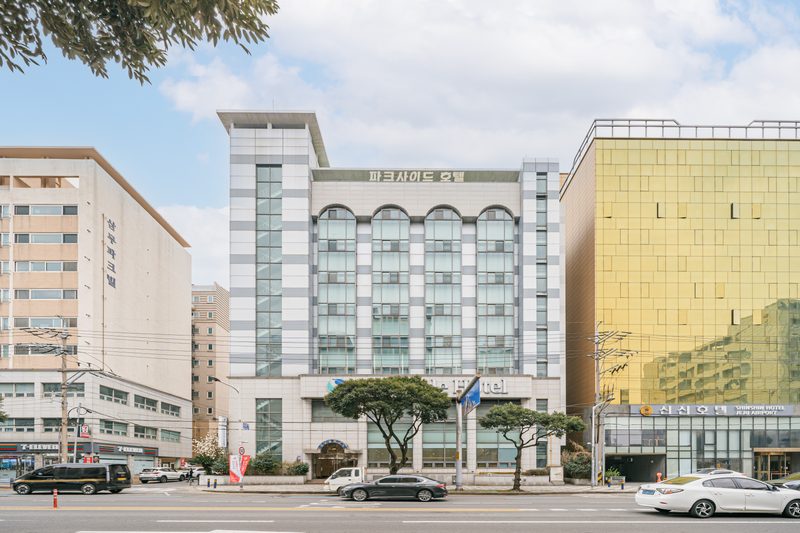
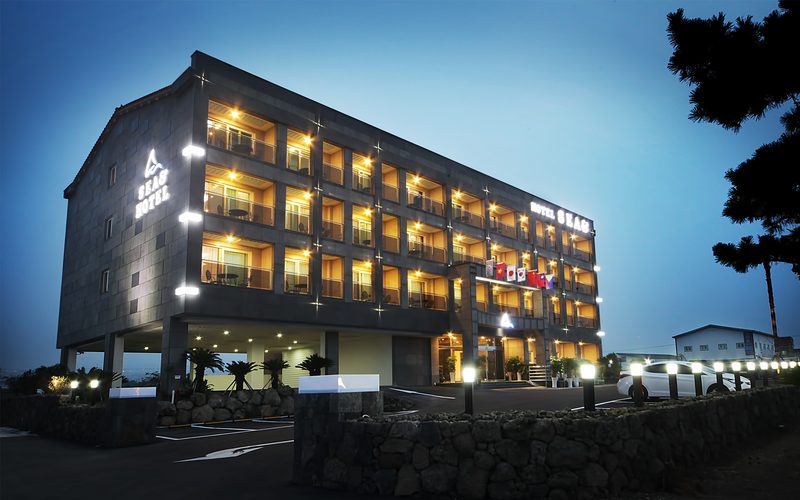
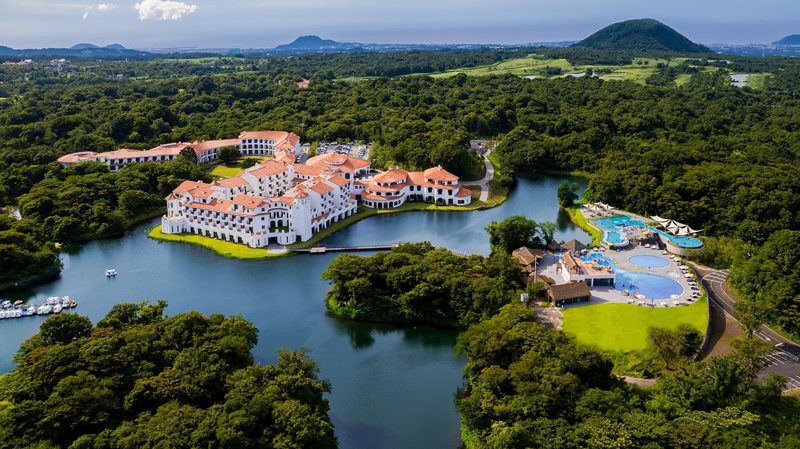
Where to Stay in Jeju in February
Hand-picked hotels across price tiers for February travellers.
Public Holidays in February
Dates that affect opening hours, transport and crowds
설날
Known in English as Lunar New Year. Observed nationwide as a public holiday.
설날
Known in English as Lunar New Year. Observed nationwide as a public holiday.
설날
Known in English as Lunar New Year. Observed nationwide as a public holiday.
Packing Checklist
Bookmark this page — your progress is saved between visits
Need the full list with shopping links?
Climate-specific gear, brand recommendations, and what to leave at home.
View Jeju Packing List →Essential Tips
Insider knowledge and common pitfalls to avoid
Insider Knowledge
Jeju's wind has a directional logic that most visitors never learn. When the forecast shows north or northwest wind, the southern coast around Seogwipo and Jungmun sits in the island's lee and feels noticeably calmer and a degree or two warmer. Flip that: south wind days push you to the northern shore. Locals check wind direction before choosing which coast to visit, and you should too. It can mean the difference between a miserable day and a comfortable one.
The haenyeo, Jeju's women free-divers, work through February in water that would hospitalize most people. Their winter catch is different from the summer tourist-season harvest. February means sea urchin and turban shells rather than abalone. The small harbors at Hado-ri and Udo Island where they surface and sell the catch dockside are quieter and more intimate in winter. You can watch the actual dive and buy what they bring up, split and eaten raw at concrete tables by the water with the salt air and the iodine smell of fresh uni mixing together.
Tangerine season has a hierarchy most visitors miss. The common Jeju gyul tangerine peaks in December and January. But February is prime season for hallabong, the premium hybrid with the distinctive bump on top that is sweeter, more complex, and significantly pricier. Orchards on the eastern slopes between Seongsan and Namwon that offer picking experiences in February are harvesting hallabong rather than standard tangerines. The difference in flavor is immediately obvious: less acidic, more floral, with a fragrance that lingers on your hands. Seek these out.
Jeju's jeonbok juk, abalone porridge, is the island's definitive winter comfort food and it tastes nothing like the thin rice soups served on the mainland. On Jeju it is thick, almost paste-like, tinted pale green from the abalone innards stirred through the rice as it cooks, and served in heavy stone bowls that keep it scalding through a long meal. The neighborhood restaurants in Seogwipo's old market district and around Hamdeok that have been making it for decades cook it fresh to order. In February you can walk in without a wait that would stretch past thirty minutes in peak season. Arrive hungry.
Avoid These Mistakes
Renting a car without checking winter driving conditions first. Jeju's interior roads, the cross-island routes climbing toward Hallasan, ice over on February mornings, and Korean rental insurance often excludes single-vehicle accidents on icy roads. Most rental agencies offer winter tires on request but do not install them by default. Ask explicitly. If you have never driven on icy mountain roads, the guided tours are not a compromise. They are the smarter call.
Planning a beach-centric itinerary. February Jeju is a hiking, food, and volcanic-landscape destination, not a beach one. The turquoise water at Hyeopjae and Hamdeok looks photogenic even in winter. But the wind makes the sand sting at eye level, the water is painful to enter, and every facility from showers to rental shops is shuttered until spring. Travelers who come expecting the summer postcard leave disappointed. Come for the geology, the food, and the empty trails instead.
Skipping the car or tour entirely and relying on Jeju's public buses. The island bus network covers most major sites. But February schedules run reduced frequency, some rural routes drop to two or three buses per day, and waits at exposed roadside stops in the wind feel much longer than they are. Travelers without private transport end up spending half their day at bus shelters rather than at the places they came to see. A rental car or a guided day tour is not a luxury here. It is basic logistics.
Ready to plan your trip to Jeju?
Now that you've got the research covered, here's where to go next.
Explore More Activities in Jeju
Didn't see anything interesting yet?
Browse Viator's full catalog of tours, day trips, food experiences, and private guides in Jeju.
See All Jeju Tours on Viator