Things to Do in Jeju in July
July weather, activities, events & insider tips
Peak Season · Premium Pricing
July Weather in Jeju
Long-run averages for July
84°F (29°C)
High Temp
74°F (23°C)
Low Temp
8.3 inches (211 mm)
Rainfall
84%
Humidity
10
Sunny-Day UV
⚠ Buy insurance. Typhoon risk rises through July and peaks in August and September. Jeju sits in the direct track of western Pacific typhoons, and while a direct hit in early July is less common than later in the season, tropical storm warnings can ground ferries to Udo Island, close Hallasan hiking trails entirely, and cancel flights at Jeju International Airport with 24 to 48 hours notice. Travel insurance covering weather-related disruptions is not optional in July.
⚠ Watch the roads. The jangma (monsoon) typically occupies the first two weeks of July with heavy, sustained rainfall that can exceed 50 mm (2 inches) in a single day. Low-lying coastal roads near Jungmun and parts of the Seogwipo waterfront are prone to surface flooding during intense downpours, and some oreum (volcanic hill) trails become dangerously slippery with wet volcanic clay underfoot. Drive cautiously on rain days. Avoid exposed trails during active storms.
Is July Right for You?
Weigh the advantages and considerations before booking
Advantages
- + Jeju's ocean water peaks at its warmest in July, reaching temperatures comfortable enough for extended swimming and snorkeling at beaches like Hyeopjae on the west coast and Hamdeok on the north, where turquoise shallows stretch 200 m (656 ft) from shore over white sand before dropping off into deeper blue. This is the month the water finally stops making you gasp on entry.
- + Hydrangea season transforms Jeju's mid-mountain roads into corridors of cobalt and violet. The 1100 Road climbing toward Hallasan lines both sides with bushes taller than a person, their color shifting with the volcanic soil's acidity, and driving through them in the mist feels like passing through a painting that hasn't quite dried yet. Peak bloom runs through early July.
- + Once the jangma breaks around mid-July, Jeju gets some of its most dramatic skies of the year. The post-monsoon clarity from Seogwipo's coastal cliffs can stretch to the horizon, and Hallasan's summit, hidden behind weeks of cloud, emerges suddenly as if someone pulled a curtain. The contrast with the soggy first half of the month makes the payoff feel earned.
- + Summer brings peak haenyeo season. Jeju's famed women divers work longer hours in the warm water, and you're more likely to catch them surfacing with mesh bags of sea urchin, abalone, and octopus at spots like Hado-ri on the east coast. The catch gets sold dockside, still dripping seawater, to buyers who have been waiting since dawn.
Considerations
- − The first half of July typically sits deep inside the jangma, Korea's monsoon. This is not gentle drizzle. It is heavy, persistent, grey-sky rain that can run for three or four consecutive days, turning hiking trails into streams and coastal roads slick. Plans built entirely around outdoor sights will crumble. You need indoor contingencies, and you need them before you arrive.
- − Korean summer holidays begin mid-July, and Jeju is the country's default domestic vacation island. The resident population of roughly 680,000 effectively doubles on summer weekends. The coastal road between Jeju City and Seogwipo crawls, popular restaurants hit two-hour waits, and beaches like Jungmun Saekdal feel more crowded than a Seoul subway platform at rush hour.
- − Humidity at 84% combined with 29°C (84°F) highs makes midday outdoor exertion oppressive. The air sits on your skin like a damp cloth and does not lift. Walking ten minutes to a trailhead leaves you soaked before you've started climbing. Locals do their outdoor movement before 8 AM or after 5 PM, and you should follow their lead.
Best Activities in July
Top things to do during your visit
July lands Jeju squarely in the thick of its monsoon season, when the island's volcanic landscape turns an almost unreasonable shade of green. Average highs reach 29°C and lows hover around 23°C, which means the air sits warm and close against your skin from the moment you step off the plane at Jeju International. Rainfall averages 211 millimetres across the month, nearly triple what falls in spring, and it arrives in dense, theatrical downpours that sweep across the coastline and then vanish, leaving the basalt rock steaming and the ferns dripping. Between squalls, the sky breaks open into luminous blue, and the light on the water turns the whole southern shore into a sheet of hammered silver. This is not a month to avoid Jeju. It is the month Jeju is most intensely itself. The rain reshapes the island's rhythm. Waterfalls that trickle politely in April become roaring curtains of white water in July, and the forests along the flanks of Hallasan fill with the mineral smell of wet volcanic soil and the thick sweetness of hydrangeas at peak bloom. Jeju's famous haenyeo, the free-diving women who harvest abalone and sea urchin from the ocean floor, continue their work through the warmer water, and watching them surface with their catch, exhaling in sharp whistles audible from the shore, is one of the great spectacles of Korean island life. Evenings cool just enough to make walking Jeju City's back streets bearable, where the char-smoke from black pork barbecue joints drifts through open doorways and the clatter of soju bottles on metal tables carries across the narrow lanes. On rainy afternoons, the island's cafe culture comes alive: converted stone houses in Aewol and Hallim fill with the hiss of espresso machines and the low hum of conversation, and the grey light through the windows makes the interiors feel like quiet paintings. At night, Jeju's seafood restaurants along the harbours serve raw abalone still cool from the tank, its texture firm and briny, alongside bowls of haemul pajeon, the seafood pancake fried until the edges crackle and the scallion inside goes soft and sweet. Planning a Jeju itinerary in July means building around the weather rather than against it. Mornings tend to be clearer, so stack outdoor excursions early. The island divides naturally into east, west, and south corridors, each reachable in day trips from wherever you stay, whether that is the urban convenience of Jeju City in the north or the quieter coastal hotels near Seogwipo in the south. Beaches like Hyeopjae and Hamdeok are swimmable by July, their shallow turquoise water warm enough to wade without flinching, and the black volcanic sand at Jungmun absorbs the heat until it is almost too warm underfoot by midday. For indoor days when the rain sets in and does not quit, the island has depth: lava tubes, tea museums, the stone-walled villages of Seongeup, and enough raw fish markets to fill an afternoon of browsing and tasting. Jeju rewards flexibility, and July, for all its wetness, delivers the island at its most dramatic and alive.

Small Group Tour in South Jeju Healing Island w/Mt. Halla & Falls
guided_experienceThe Small Group Tour in South Jeju Healing Island w/Mt. Halla and Falls threads together the island's two most powerful landscapes in a single day: the alpine meadows and cloud forests of Hallasan, South Korea's tallest peak, and the thundering waterfalls of Jeju's southern coast that reach their most dramatic volume in July's heavy rains. The tour runs in small groups, which means your guide can pause at overlooks where the mist parts to reveal the crater lake far above, or linger at Cheonjiyeon Falls long enough to feel the spray on your face and hear the low roar reverberate off the basalt walls. The route through South Jeju passes through stretches of coastal road where the scent of wild camellia and damp moss hangs in the air, and the volcanic cliffs drop straight into churning surf.
Hallasan's upper trails and Jeju's southern waterfalls are the island's most elemental scenery, and this tour connects them without the logistics of renting a car or navigating Korean-language bus schedules.
Insider tip: Wear shoes with aggressive grip and bring a lightweight rain shell you can stuff into a daypack, because even on clear mornings the mountain trails turn slick within minutes of a passing shower, and the waterfall viewing platforms collect mist constantly.
This month: July's monsoon rains push Jeju's waterfalls to peak flow, making Cheonjiyeon and Jeongbang falls far more powerful than they appear in spring or autumn photographs.

Small Group Tour in East Jeju Healing Island w/Woman Divers Show
entertainmentThe Small Group Tour in East Jeju Healing Island w/Woman Divers Show takes you to the quieter, wilder side of Jeju, where the coastline is rougher and the tourism infrastructure thins out, replaced by actual fishing villages where haenyeo still work. The centrepiece is a live demonstration by these free-diving women, many of them in their sixties and seventies, who plunge without tanks into the cold water and surface minutes later with nets full of sea urchin and conch, exhaling in a sharp, keening whistle called a sumbisori that carries across the rocks. The east coast route passes Seongsan Ilchulbong, the volcanic tuff cone that rises from the ocean like a green-walled amphitheatre, and winds through fields of Jeju's famous stone walls, the dark basalt stacked without mortar in lines that stretch to the horizon.
Watching the haenyeo dive is witnessing a UNESCO-recognised tradition that is disappearing in real time, and seeing it on their own coastline, not a staged tourist performance, is the difference between spectacle and understanding.
Insider tip: Position yourself on the rocks closest to where the haenyeo enter the water rather than the viewing platform farther back, because from the rocks you can hear the sumbisori whistle clearly and see the catch as they surface, which is lost at distance.

Private Tour in Jeju Island All Inclusive with Lunch
private_tourThe Private Tour in Jeju Island All Inclusive with Lunch strips away the compromises of group travel and lets a local guide shape the day around your interests, whether that means lingering in the dripping green interior of Manjanggul Lava Tube, where the air drops ten degrees and the silence is total except for the drip of water on stone, or spending an extra hour at Seogwipo's fish market tasting raw hairtail and watching ajummas slice sashimi with terrifying speed. Lunch is included, which on Jeju typically means black pork grilled over charcoal until the fat renders and the edges char, or a bowl of abalone porridge so thick with shellfish it turns pale green, served with a tray of banchan that covers the entire table. The private format means the route can pivot when the weather does, ducking indoors when the rain hammers down and heading to the coast when it clears.
A private guide who knows Jeju's back roads can get you to the uncrowded side of every landmark, and the included lunch removes the anxiety of navigating Korean-only menus at the island's best local restaurants.
Insider tip: Ask your guide to include a stop at one of the small tangerine orchards along the mid-mountain road, because in July the trees are heavy with unripe fruit and the owners often let visitors walk the rows, and the sharp citrus smell of the leaves in the warm air is one of Jeju's most distinctive and underappreciated sensory experiences.

Jeju island Southern Unesco Mt.halla ONE day Bus Tour
culturalThe Jeju island Southern Unesco Mt.halla ONE day Bus Tour covers the volcanic spine of the island at a lower cost than private options, loading a coach with travellers and running a tight loop through Hallasan National Park's UNESCO-listed trails, the columnar basalt cliffs of Jungmun, and the Jusangjeolli coast where hexagonal rock pillars drop into waves that explode upward in white spray you can taste as salt on your lips. The bus format works well in July, when driving Jeju's mountain roads yourself means navigating sudden fog banks and rain-slicked switchbacks, and a Korean driver who has done the route a thousand times handles it with the calm of someone who considers monsoon conditions normal. Between stops, the views from the bus windows shift from tangerine groves to dense subtropical forest to raw volcanic landscape in the space of twenty minutes.
This is the most affordable way to reach Hallasan's mid-altitude trails and the southern UNESCO sites without a rental car, and the structured schedule means you see the core landmarks even on a short Jeju visit.
Insider tip: Sit on the left side of the bus heading south from Jeju City for unobstructed views of the coastline, and keep your rain gear accessible in a bag at your feet rather than in the overhead bin, because the stops at Jusangjeolli and the falls require short walks in the open where a July shower can arrive with almost no warning.
This month: July rains intensify the waterfalls along the southern route and fill the volcanic streams that are dry or weak in winter, making the landscape markedly more dramatic than during Jeju's drier months.

Jeju island Jumbo taxi Private Tour with Mr.Hong west of jeju
transportThe Jeju island Jumbo taxi Private Tour with Mr.Hong west of jeju puts you in the back of a spacious taxi with a driver-guide named Mr. Hong, who runs the western corridor of the island with the easy authority of someone who grew up on these roads. The west coast of Jeju is where the island's quieter, stranger beauty lives: the wind-scoured cliffs of Yongmeori, where the stratified rock looks like the pages of a water-damaged book. The eerie stone grandfather statues called dol hareubang that stand guard at village entrances, their basalt faces smoothed by centuries of salt wind. And the tea plantations of Osulloc, where rows of bright green bushes march across hillsides and the air smells of roasted leaves and damp earth. Mr. Hong narrates in the unhurried style of a local who knows which cafe in Aewol has the best view and which beach empties out after lunch.
The west coast is the least touristed corridor on Jeju, and having a local driver who knows the turnoffs and the timing transforms a drive into an education in the island's geology, agriculture, and daily life.
Insider tip: Ask Mr. Hong to stop at Hallim Park late in the afternoon rather than midday, because the tour buses clear out by three and the subtropical botanical garden and lava caves inside the park become almost private, with just the sound of water dripping in the caves and birdsong in the palm groves.

Full Day Essential Jeju Island Private tour for West Course
day_tripThe Full Day Essential Jeju Island Private tour for West Course covers the western half of Jeju with a private vehicle and guide, building a day around the dramatic geology and quieter villages that most group tours skip. The route typically includes the O'sulloc Tea Museum, where you can watch the pale green liquid being whisked into a froth and taste the grassy, slightly astringent matcha grown on Jeju's volcanic soil, and Hyeopjae Beach, where the sand is so white against the black lava rock that the contrast looks digitally altered. In July, the beach water is warm enough for swimming, and the shallow shelf means you can wade far out with the water barely reaching your waist, feeling the fine sand shift under your feet. The private format lets you pause at the coastal walking paths called olle-gil, where the trail cuts between stone walls draped in wild morning glory and the crash of waves against the rocks below provides a constant low percussion.
A private west-coast day lets you move at the pace the landscape deserves, lingering at the beaches and cliffs that group tours reduce to fifteen-minute photo stops.
Insider tip: Request that the guide include a stop at one of the small seafood shacks near Hallim harbour, where you can eat jeonbok juk, the abalone porridge Jeju is famous for, at a plastic table overlooking the fishing boats rather than at a tourist-oriented restaurant in Jeju City, and the difference in freshness and flavour is immediately obvious.
Where to Stay in Jeju in July
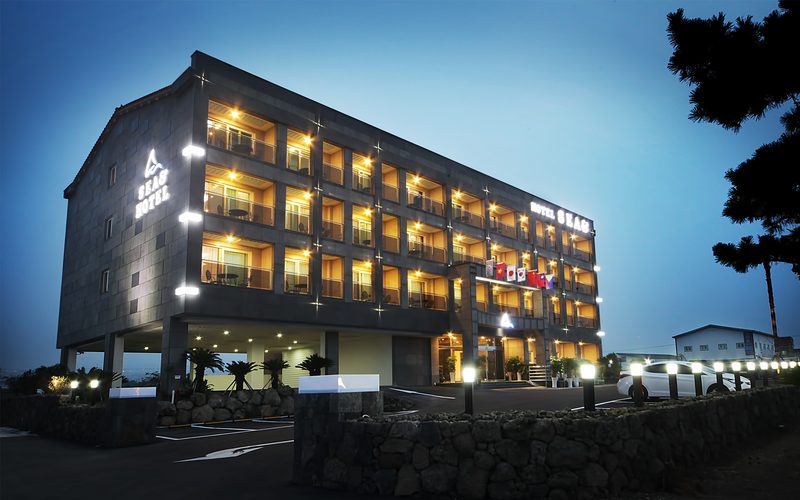
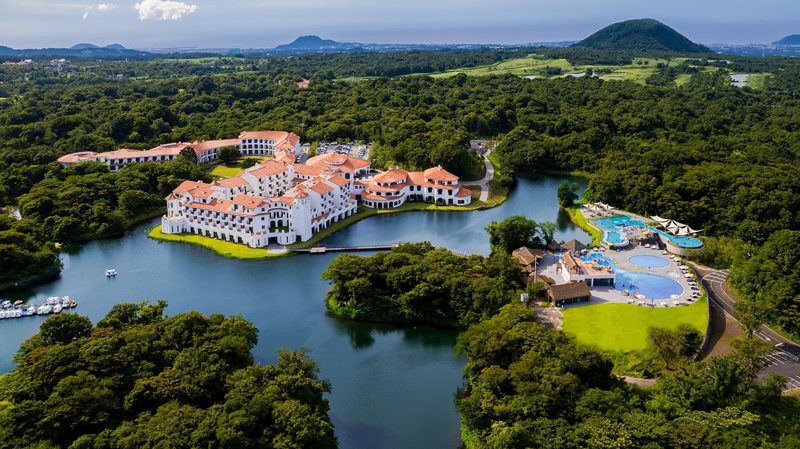
Hand-picked hotels across price tiers for July travellers.
Public Holidays in July
Dates that affect opening hours, transport and crowds
제헌절
Known in English as Constitution Day. Observed nationwide as a public holiday.
제헌절
Known in English as Constitution Day. Observed nationwide as a public holiday.
Packing Checklist
Bookmark this page — your progress is saved between visits
Need the full list with shopping links?
Climate-specific gear, brand recommendations, and what to leave at home.
View Jeju Packing List →Essential Tips
Insider knowledge and common pitfalls to avoid
Insider Knowledge
Rent a car. This is not optional advice. Jeju's bus network covers the main routes between Jeju City and Seogwipo. But frequencies drop sharply once you leave those corridors. Most of the island's best coastal spots, oreum hikes, and restaurants sit off the bus grid entirely. Roughly 73 km (45 miles) across, Jeju is built for driving. Every Korean family visiting in July arrives with a rental. International driving permits are accepted. Book the car at least three weeks ahead. July fleets sell out, and what remains is bottom-tier vehicles at inflated rates.
The jangma typically breaks around mid-July, and the shift is dramatic. If you have any scheduling flexibility, aim for the second half of the month. Post-monsoon Jeju gets some of its clearest skies of the year. Hallasan's summit becomes visible for the first time in weeks. Sunset light from Seogwipo's cliffs stretches unbroken to the horizon. The first clear evening after the monsoon lifts is one of Jeju's best-kept seasonal moments.
Jeju at night is underexplored by most visitors, who retreat to their accommodation after dinner. Seogwipo's Cheonjiyeon Waterfall is illuminated after dark in summer. The walk down to it through forest thick with the drone of cicadas and high chirp of tree frogs is better after sunset than in the daytime crowds. Dongmun Market stays lively until late. The raw-fish stalls along the Yongduam (Dragon Head Rock) seafront set up tables on the breakwater. The sea breeze finally cuts the humidity there. You can eat hwoe (raw fish platters) while watching fishing boats head out.
Eat at Dongmun Market, not at the tourist-oriented restaurants near Jungmun or the hotel clusters. The prepared-food stalls in the indoor market section, the ones with the longest lines of Korean customers rather than tour groups, serve Jeju's real food at a fraction of the inflated tourist-district prices. The jeonbok-juk (abalone porridge) and mul-hoe (raw fish in cold broth) are what locals come for in summer. They are worth navigating the crowded, steaming aisles to find.
Avoid These Mistakes
Planning an itinerary built entirely around outdoor sights with no rain contingencies. Early July sits in the monsoon, and three or four consecutive rainy days is not unusual. Without a list of indoor options ready, you end up stuck scrolling your phone in a lobby. Manjanggul Cave, Jeju National Museum, Spirited Garden, Hallim Park's indoor conservatories, and the covered sections of Dongmun Market are all worth real time, not just filler. Build them into your plan before you arrive, not after the third day of rain.
Book early. Korean families lock in their Jeju summer plans months ahead, and by late June the well-located guesthouses and the places within walking distance of beaches or Seogwipo's waterfront are gone. What remains is overpriced, inconveniently located, or both. Reserve accommodation at least four to six weeks ahead for a July visit. Split your stay between Jeju City and Seogwipo to cover both coasts without long daily drives.
Check first. Hallasan closes trails when weather deteriorates, which happens regularly in July, and the call is often made at dawn based on conditions at altitude. Travelers who drive an hour to a trailhead only to find the gate locked have wasted a morning they cannot get back. Build an alternate hiking day into your schedule. Check the Hallasan National Park trail status before leaving your accommodation. Do not assume yesterday's clear weather means today's trails are open.
Ready to plan your trip to Jeju?
Now that you've got the research covered, here's where to go next.
Explore More Activities in Jeju
Didn't see anything interesting yet?
Browse Viator's full catalog of tours, day trips, food experiences, and private guides in Jeju.
See All Jeju Tours on Viator