Things to Do in Jeju in June
June weather, activities, events & insider tips
Shoulder Season · Good Value
June Weather in Jeju
Long-run averages for June
76°F (24°C)
High Temp
66°F (19°C)
Low Temp
6.7 inches (170 mm)
Rainfall
82%
Humidity
10
Sunny-Day UV
⚠ Sudden, heavy afternoon showers cut visibility for drivers and turn hiking trails slick.
Is June Right for You?
Weigh the advantages and considerations before booking
Advantages
- + The island hits peak lushness. Hallasan volcano's slopes turn a deep, saturated green. Hydrangeas bloom in full, cloud-like clusters. The air carries that sweet, wet-earth scent of a garden after a storm.
- + Sea temperatures hover in the 70s°F (low 20s°C). Good for wading into Hamdeok Beach's aquamarine water. Or paddling through Seopjikoji's sea caves. No summer crowds yet.
- + This is the last real shoulder month. July and August bring peak prices. In June, hotel rates stay reasonable. You can still find quiet stretches of black sand at Gwakji Beach. No need to fight the domestic holiday rush.
- + June means hallabong tangerines. Fresh juice waits at roadside stalls everywhere. The taste balances sweet and tart well. Nothing like supermarket packaged juice.
Considerations
- − Humidity sits at 82% right now. That 76°F (24°C) day feels sticky. Heavy, even. hiking Hallasan's lower forest trails.
- − Afternoon showers hit almost daily. Brief but intense. They arrive with little warning. Coastal roads turn slick and reflective for an hour or two.
- − Not peak season. But June draws Korean couples and families. Instagram-famous spots get busy. Seongsan Ilchulbong's sunrise viewpoint. The Snoopy Garden. Weekends surprise you.
Best Activities in June
Top things to do during your visit
June on Jeju Island brings a particular softness to the air. Humid warmth rises from black volcanic rock and thick fields of barley drenched in sun. Daylight stretches long. Afternoons often break into passing showers that deepen the green of forests, then give way to evening skies washed in pearly, lingering light. Still, the month holds a distinct rhythm. It is a sweet spot of warmth before the monsoon's peak. Locals shift from early summer outings to seeking shade in tea plantations and cool in lava tube caves. The island's famous haenyeo, women divers, become more common sights along rocky eastern shores. Visiting Jeju in June means moving with these shifts. Carry a light rain jacket for sudden showers. Be grateful for the deep, cooling ocean when midday sun hangs high. This is not arid midsummer heat. Nor is it the chill of earlier seasons. Average highs hit 24 Celsius. The climate invites extended exploration. Monthly rainfall of 170 millimeters keeps the landscape in full, lush flush. The sheer greenness is a sensory constant. Dense moss carpets cover Gotjawal forests. Neon-like orange lilies blaze against black basalt walls. You can hear rain on broad taro leaves, then frogs chorusing in flooded paddies. You might smell damp, mineral volcanic earth after a downpour. Or catch the smoky tang of black pork grilling over charcoal. The sea is not yet at its warmest peak of July and August. Still, it begins to feel welcoming. Cool, clear water carries a bite that invigorates a swim.

Small Group Tour in South Jeju Healing Island w/Mt. Halla & Falls
guided_experienceWinding up the southern flanks of Jeju's central peak, this journey immerses you in the island's volcanic heart and hydrological pulse. You'll walk beneath a dense, dripping subtropical forest canopy to a waterfall crashing into a jade-colored pool. You'll gaze across crater lakes from windswept highland plains where wildflowers nod in the breeze.
This tour distills the mythic essence of Jeju into a single day. It moves from the heights of Hallasan's shield volcano to cascading waters that define southern slopes.
Insider tip: Wear sturdy, water-resistant footwear. Paths to waterfalls can turn slick from frequent June showers. The journey becomes a true sensory encounter with damp, fecund earth.

Small Group Tour in East Jeju Healing Island w/Woman Divers Show
entertainmentThe stark, beautiful east coast reveals a different Jeju. This is human resilience shaped by the sea. You'll watch haenyeo, well-known women divers, plunge into cobalt water without oxygen tanks. They surface with abalone and sea urchins. You'll explore coastal lava formations creating natural seawater pools where waves crash and foam.
Witness a living, UNESCO-listed cultural tradition. Women sing work songs on rocks. They harvest the ocean with breaths held for minutes at a time.
Insider tip: After the diving demonstration, linger by the cove. Watch haenyeo sort their catch. You might catch the briny, fresh scent of sea on their rubber suits. Hear the sharp clack of sea urchins being cleaned.

Private Tour in Jeju Island All Inclusive with Lunch
private_tourThis is freedom to craft your own Jeju narrative. A vehicle and knowledgeable guide stand ready to follow whims and weather. You could spend an hour tasting complex, earthy local green tea in a sun-dappled field. Then seek a secluded coastal temple where only wind through wooden chimes breaks the silence.
Complete adaptability. Good for navigating June's changeable skies. Focus on personal interests, from Jeju's distinct culinary flavors to lesser-known historical sites.
Insider tip: Discuss a lunch stop at a seafood restaurant. Point to your meal swimming in tanks. The spicy, fermented red pepper aroma of Haemul Jeongol, a seafood stew, satisfies on cool, damp afternoons.

Jeju island Southern Unesco Mt.halla ONE day Bus Tour
culturalA bus tour through southern Jeju provides a structured, complete overview of the region's UNESCO-designated natural wonders. The route connects monumental sites. You'll see the vast, bowl-like crater of Sangumburi. You'll witness the surreal pillar formations of Jusangjeolli lava cliffs. Feel cool spray from waves pounding geometric rock.
Efficiently covers a high concentration of Jeju's most photographed and geologically significant landscapes. Good for travelers seeking a curated introduction.
Insider tip: Secure a window seat on the left side of the bus. Best views come along the southern coastal road. You'll see deep blue sea contrasting with black rocks and yellow canola flowers that often persist into early June.

Jeju island Jumbo taxi Private Tour with Mr.Hong west of jeju
transportExploring west Jeju in a roomy jumbo taxi feels like a road trip with a gregarious local friend. The itinerary bends to include muted, pastel hues of a quiet seaside village. You'll find the otherworldly silence of a green tea field just after rain. You'll stand at dramatic coastal vistas where wind whips across cliffs.
Mr. Hong's tour promises a personalized, comfortably spacious journey through the artistically infused and agriculturally rich western countryside. This region sees fewer standard tour buses.
Insider tip: Request a stop at a local mandarin orange grove. The main harvest comes later. June has a chance to see small green fruits forming. Perhaps taste freshly squeezed, tart-sweet juice.

Full Day Essential Jeju Island Private tour for West Course
day_tripThe west course studies Jeju's contrasting moods. Serene artistic enclaves meet raw coastal power. You can ponder contemporary sculptures against a mountain backdrop. Walk across a black sand beach where granules feel cool and fine between your toes. Finish at a cliffside café sipping a citrus-infused drink. Watch fishing boats bob on the horizon.
This private tour curates the quieter, more reflective side of Jeju Island. It emphasizes landscape art, poignant museums, and leisurely coastal drives.
Insider tip: If June weather turns rainy, your guide can pivot to indoor highlights. The immersive exhibits at Jeju Glass Castle await. You'll see light refract through thousands of crystal pieces. A dazzling, dry-weather alternative.
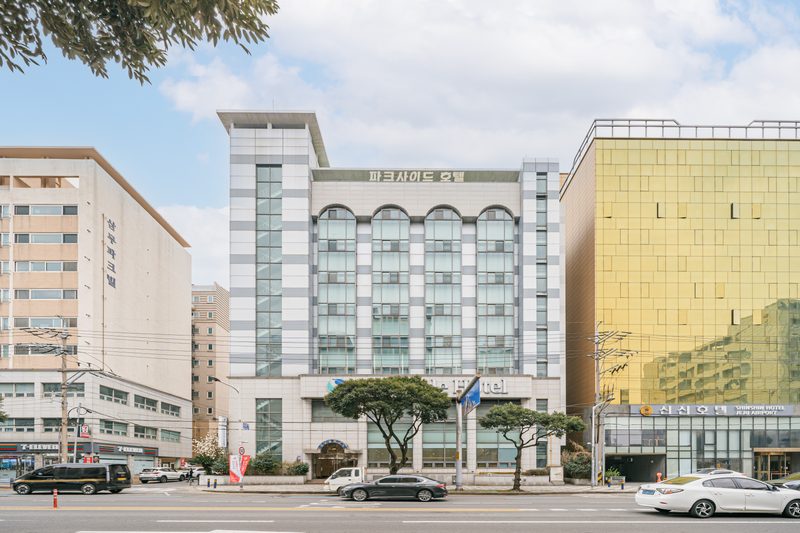
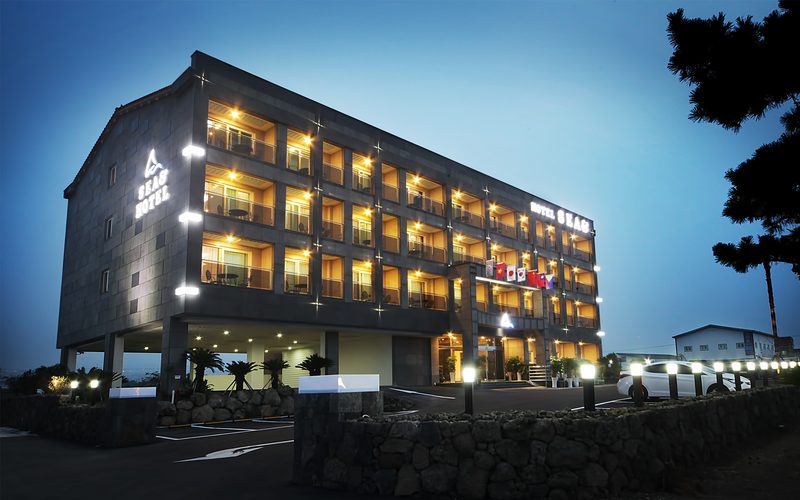
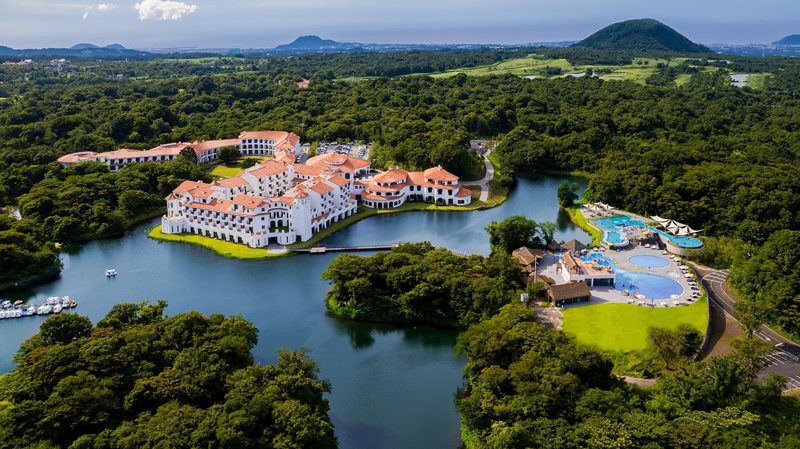
Where to Stay in Jeju in June
Hand-picked hotels across price tiers for June travellers.
Public Holidays in June
Dates that affect opening hours, transport and crowds
현충일
Known in English as Memorial Day. Observed nationwide as a public holiday.
현충일
Known in English as Memorial Day. Observed nationwide as a public holiday.
Packing Checklist
Bookmark this page — your progress is saved between visits
Need the full list with shopping links?
Climate-specific gear, brand recommendations, and what to leave at home.
View Jeju Packing List →Essential Tips
Insider knowledge and common pitfalls to avoid
Insider Knowledge
For the best beach weather, follow local habits. Head out in the morning when skies stay clear and the sea stays flat. By 2 PM, clouds gather. Retreat to a seaside cafe for hallabong ade and watch the weather shift.
Avoid crowded restaurants near big hotels. Drive five minutes inland in any direction. Look for places packed with Jeju license plates. The best black pork barbecue (heukdwaeji) hides in these smoky, unassuming rooms.
Caught in a shower while driving? Pull over at the next CU or GS25. Grab coffee. Wait 20 minutes. It passes. June in Jeju works around these pauses.
Visit Yongduam (Dragon Head) Rock at sunset after rain. The black basalt shines. The air smells clean. Evening lights reflect off wet pavement. The whole port turns cinematic.
Avoid These Mistakes
Don't overpack a rigid itinerary. June weather requires flexibility. Build in weather windows. Keep indoor and outdoor alternatives ready.
Don't underestimate the UV index. That 76°F (24°C) breeze deceives. A day on a boat or hiking treeless lava fields without protection burns fast.
Don't rely only on public buses for remote eastern or western sites. June showers make wait times unpredictable. Rent a car. Chase the sunshine. Worth the splurge for groups.
Ready to plan your trip to Jeju?
Now that you've got the research covered, here's where to go next.
Explore More Activities in Jeju
Didn't see anything interesting yet?
Browse Viator's full catalog of tours, day trips, food experiences, and private guides in Jeju.
See All Jeju Tours on Viator