Things to Do in Jeju in March
March weather, activities, events & insider tips
Low Season · Budget Friendly
March Weather in Jeju
Long-run averages for March
55°F (13°C)
High Temp
43°F (6°C)
Low Temp
3.6 inches (91 mm)
Rainfall
73%
Humidity
6
Sunny-Day UV
⚠ Sudden fog from Hallasan can reduce visibility to near-zero, affecting flights and driving conditions
Is March Right for You?
Weigh the advantages and considerations before booking
Advantages
- + Jeju's camellia fields explode into crimson blooms across Seogwipo's coastal roads. This is the island's most photogenic season. You skip the cherry blossom crowds of April. Camellia petals carpet the asphalt like spilled paint. Drivers stop every mile for photos. The season lasts three weeks. Plan now.
- + Tangerine-sized hallabong citrus reach peak sweetness in March. Every roadside stand becomes a free tasting bar. Jeju's famous hybrid fruit packs sugar like candy. Farmers slice samples with pocket knives. Juice runs down your wrist. Buy a bag. Thank me later.
- + Hiking trails around Seongsan Ilchulbong and Hallasan's lower slopes are practically empty. You share volcanic crater views with local grandmothers in neon hiking gear. Tour buses stay away. Silence amplifies the ocean below. Bring a thermm mug. Share tea.
- + Jeju's famous female divers (haenyeo) perform 10-meter (33-foot) free dives daily in March. The water's cold enough that only the most committed performers work. You get authentic shows without summer crowds. Their whistles echo across the bay. Count the seconds underwater. Applaud.
- + Hotel rates sit 30-40% below peak season. Same ocean-view rooms that require three-month advance booking in July take same-week reservations in March. Upgrade for free. Wake to waves. Save cash for citrus.
Considerations
- − The ocean's too cold for swimming. Water temperatures hover around 14°C (57°F). Beach days mean jacket walks rather than bikini weather. Bring a scarf. Collect shells. Watch surfers in thick wetsuits.
- − Jeju's famous strong winds amplify the chill factor. That 13°C (55°F) afternoon can feel like 8°C (46°F) when the island's trademark gusts kick up. Zip your coat. Pull the hood. Keep moving.
- − Some coastal attractions close early for maintenance before peak season. Glass-bottom boats and submarine tours around Seopjikoji shut at 4pm. Call ahead. Adjust plans. Walk the cliffs instead.
Best Activities in March
Top things to do during your visit
Jeju in March is a study in meteorological transition. The island sheds its damp winter chill. Average temperatures climb from a low of 6 degrees Celsius to a daytime high of 13. The warming is tentative. You feel it in shifting winds along the coast, no longer biting but carrying a cool, damp promise of heavy rains that arrive in summer. The air smells of damp earth and salt. The landscape begins to wake. The black basalt rock walls of Jeju's stone fences gleam under intermittent showers. Evergreen camellias give way to first bursts of yellow forsythia along roadsides. Locals wear layered jackets. They enjoy relative quiet before busier spring holiday periods. They trade indoor hearths for walks on beaches where volcanic sand is firm underfoot and the sea is dramatic, churning slate gray. This month suits those who find beauty in atmosphere rather than postcard perfection. With an average of 91 millimeters of rainfall, plan for sudden showers that sweep in from the sea. They obscure the peak of Hallasan one moment. They clear to reveal it the next. Its upper slopes still carry last traces of winter's frost. It is an ideal time for restorative indoor pursuits, from steaming bowls of hairtail soup to therapeutic warmth of volcanic stone saunas. Explore dramatic southern landscapes without thick crowds. Visiting Jeju in March means engaging with raw, elemental character. You hear waves crashing against lava tubes. You see hardy Jeju ponies grazing in misty pastures. You feel cool, clean breeze carrying scent of pine from the mountain's lower slopes.

Small Group Tour in South Jeju Healing Island w/Mt. Halla & Falls
guided_experienceIt weaves through tea plantations and along dramatic coastal cliffs. It ventures into lower forests of Hallasan National Park. You hear thunderous roar of Cheonjiyeon Falls. Its veil of water plunges into an emerald pool. You walk amid towering cryptomeria trees where air feels cool and carries scent of damp cedar and moss. The tour is a curated introduction to the island's quieter, healing energy.
Visit to experience profound contrast between Jeju's powerful coastal geology and serene, ancient forests that cloak its volcanic interior in a single, easy journey.
Insider tip: An insider tip: wear layers and shoes with solid traction. Paths near waterfalls can be slick from constant mist and March showers. Temperature shifts noticeably between coast and mountain foothills.

Small Group Tour in East Jeju Healing Island w/Woman Divers Show
entertainmentIt centers on notable haenyeo, or women divers. You watch these masterful figures in thick wetsuits plunge into cold March sea from jagged black lava rocks. You hear their sharp whistles as they surface for air. Later you taste briny, fresh seafood they harvest, perhaps raw abalone or sea urchin. The itinerary includes otherworldly landscape of Seongsan Ilchulbong. You feel stiff ocean wind on your face as you look across crater's grassy bowl.
Visit to witness centuries-old tradition of breath-hold diving. It is both demanding livelihood and defining cultural symbol of Jeju. The practice persists against chill of early spring sea.
Insider tip: An insider tip: bring a windproof jacket. Coastal exposures at woman divers' cove and sunrise peak are notoriously breezy, during this transitional month.

Private Tour in Jeju Island All Inclusive with Lunch
private_tourYou move from aromatic scent of mandarin orchards to echoing silence within vast lava tube. Your guide can tailor day to your pace. Perhaps you seek out secluded coastal temple where you hear only drone of Buddhist chants and distant crash of waves. Or you arrange lunch of black pork barbecue, meat sizzling and fragrant over hot coals.
Visit for luxury of complete autonomy. Follow sudden curiosity down country lane. Linger over cup of steaming omija tea without watching clock.
Insider tip: An insider tip: communicate your interests clearly beforehand. If you wish to focus on photography, history, or local food, a good guide will use that to craft route avoiding more conventional stops in favor of lesser-known vistas and eateries.

Jeju island Southern Unesco Mt.halla ONE day Bus Tour
culturalThese include vast Cheonjeyeon Falls system and surreal geopark of Sanbangsan. You see columnar basalt cliffs of Jusangjeolli, dark and geometric against foaming turquoise sea. You feel deep, subterranean chill inside lava tube cave.
Visit to efficiently grasp scale and significance of Jeju's natural wonders. You get convenience of structured logistics and informative commentary connecting geological dots.
Insider tip: An insider tip: choose seat on left side of bus for best views of coastal scenery as you travel along southern shore road.

Jeju island Jumbo taxi Private Tour with Mr.Hong west of jeju
transportYour driver, Mr. Hong, can take you through rolling green tea fields of Boseong. You smell faint, fresh aroma of early spring leaves. He takes you to quirky art installations of Jeju Glass Castle, where sunlight fractures into thousand colors. The format feels like being shown around by knowledgeable friend who knows every back road and best spot for bowl of hearty buckwheat noodle soup.
Visit for relaxed, door-to-door exploration of island's more pastoral western reaches. You have flexibility to pause for photos of bright yellow rapeseed flowers just beginning to bloom in March fields.
Insider tip: An insider tip: ask your driver to include stop at local mandarin juice stand. Freshly squeezed, tangy-sweet juice is perfect refreshment between sights.

Full Day Essential Jeju Island Private tour for West Course
day_tripYou stand before twin waterfalls of Cheonjeyeon, feeling spray on your skin. You explore Hallim Park complex, where you hear rustle of palm fronds in coastal wind and wander through lava tube caves. The private guide can add context to myths of island, from stone grandfather statues to legends of mountain spirits.
Visit to spend time with stories woven into Jeju's western geography. You enjoy both botanical gardens and mythical sites with undivided attention and deep local insight.
Insider tip: An insider tip: discuss with your guide possibility of brief stop at nearby black sand beach. Texture of volcanic sand underfoot and sound of waves provide powerful sensory counterpoint to curated park environments.
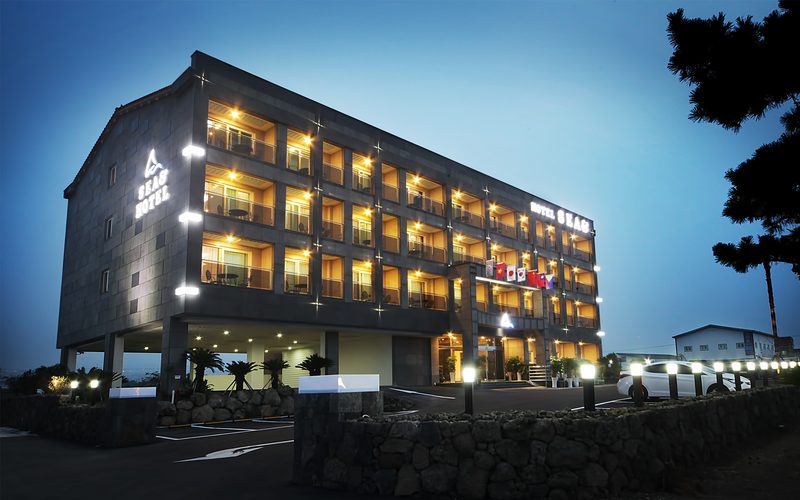
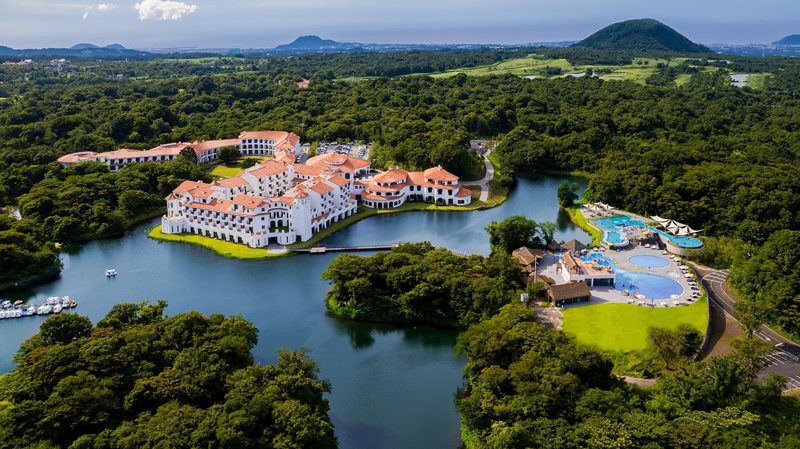
Where to Stay in Jeju in March
Hand-picked hotels across price tiers for March travellers.
Public Holidays in March
Dates that affect opening hours, transport and crowds
3·1절
Known in English as Independence Movement Day. Observed nationwide as a public holiday.
3·1절
Known in English as Independence Movement Day. Observed nationwide as a public holiday.
Packing Checklist
Bookmark this page — your progress is saved between visits
Need the full list with shopping links?
Climate-specific gear, brand recommendations, and what to leave at home.
View Jeju Packing List →Essential Tips
Insider knowledge and common pitfalls to avoid
Insider Knowledge
Skip the famous Sunrise Peak (Seongsan) at dawn. March mornings are foggy 70% of the time. Instead, climb at 3pm when skies clear and you'll have the crater rim almost to yourself. Golden light hits the grass. Shadows stretch east. Perfect silence.
South-facing slopes between Seogwipo and Jungmun grow the best hallabong citrus. Look for farms with windbreak walls made from black lava rock. They protect the sweetest fruit. Worth the detour.
Jeju's black pork restaurants in March serve the previous year's cured cuts. Order the 'heukdwaeji haejangguk' (hangover soup). It uses March-slaughtered pigs for the richest broth. The depth is unreal.
Download the 'Jeju Olle' app before arriving. It works offline and shows real-time wind speeds. Locals use it to decide which trail sections are walkable on any given March day. Trust their system.
Avoid These Mistakes
Assuming March weather matches mainland Korea is a rookie error. Jeju's maritime climate runs 5-7°C (9-11°F) warmer than Seoul. The wind chill factor makes it feel cooler. Pack smart.
Booking ocean activities based on mainland experience courts trouble. March seas around Jeju run 14°C (57°F). That's cold enough to cause hypothermia in 30 minutes without proper gear. Rent the wetsuit.
Planning beach time needs a reality check. While Jeju's beaches look inviting in March photos, they're maintenance zones. Tractors repair summer storm damage. Locals avoid the wind. Skip the bikini.
Ready to plan your trip to Jeju?
Now that you've got the research covered, here's where to go next.
Explore More Activities in Jeju
Didn't see anything interesting yet?
Browse Viator's full catalog of tours, day trips, food experiences, and private guides in Jeju.
See All Jeju Tours on Viator