Things to Do in Jeju in May
May weather, activities, events & insider tips
Shoulder Season · Good Value
May Weather in Jeju
Long-run averages for May
71°F (22°C)
High Temp
59°F (15°C)
Low Temp
3.8 inches (97 mm)
Rainfall
75%
Humidity
8
Sunny-Day UV
⚠ Very high UV on sunny days: use sunscreen and seek shade at midday
Is May Right for You?
Weigh the advantages and considerations before booking
Advantages
- + May hits the sweet spot for flowers. The tail end of canola fields blazes yellow along coastal roads. Higher, shaded gardens see the first hydrangeas blushing blue.
- + Sea temperatures hit swimmable territory at 17-18°C (63-64°F). You can wade into turquoise coves comfortably. Beat the summer crowds that arrive a month later.
- + This is your last comfortable window for Hallasan. The dormant volcano sits at the island's heart. June brings sticky heat. Now, wild azaleas dust the trails. Morning air still carries a crisp edge.
- + Jeju's tangerine blossoms peak now. The fragrance is unmistakable. Mid-island orchards fill with sweet, citrusy perfume. Roll down your window. You'll smell it from the road.
Considerations
- − Expect wind. May is the island's gustiest month. Persistent breezes sweep off the sea. Coastal bike rides become genuine workouts. Seongsan Ilchulbong's crater rim will snatch your hat.
- − Rainfall stays moderate. But showers strike fast and local. Seogwipo can drench you while Jeju City, an hour north, stays bone dry.
- − You're in shoulder season. Peak summer hasn't arrived. Smaller guesthouses and seasonal restaurants in remote coastal villages may still be closed. Others run limited hours.
Best Activities in May
Top things to do during your visit
Jeju Island in May hits different. The volcanic silhouette cuts sharp against skies finally scrubbed clean of late winter haze, and the air carries acacia blooming sweet and soft, plus that low sea murmur before summer monsoons churn everything up. Temperatures sit comfortable: highs of 71, lows of 59. You can walk coastal paths or verdant foothills for hours without the oppressive humidity that arrives in weeks. That is the point. This quiet interlude lets you experience dramatic landscapes at a contemplative pace before summer crowds descend. Locals head outdoors themselves, tending citrus groves or pitching seaside tents for leisurely lunches of grilled seafood. Join the island's natural rhythm. Don't chase an event schedule. This May weather matters when you track Jeju's annual climate arc. The 3.8 inches of rainfall typical of May stands in stark contrast to July and August deluges, which can bring over ten inches in a single month. Your explorations of Jeju's southern forests or western cliffs face far fewer prolonged downpours. Passing showers still happen. They leave mossy lava fields gleaming under quick-breaking clouds. It is a temperate window: warmer and drier than brisk, blustery March, not yet sticky heat and heavy rains of high summer. For travelers wondering about the best time to visit Jeju, this month consistently offers one of the most reliable balances of pleasant warmth and manageable precipitation on the island.

Small Group Tour in South Jeju Healing Island w/Mt. Halla & Falls
guided_experienceThis tour weaves together the ecological majesty of Mount Halla's lower slopes with the thunderous spectacle of its waterfalls at full spring flow. You will walk through forests thick with camellia and cedar, hearing the chorus of native birds like the white-backed woodpecker, before feeling the cool mist from cascades like Jeongbang, where freshwater meets the sea.
It distills the essence of Jeju's southern wilderness into a single, immersive day, connecting the island's volcanic backbone to its dramatic coastal edges.
Insider tip: Wear shoes with excellent traction, as the paths to the waterfall viewpoints can be slick with the spray and seasonal moisture.

Small Group Tour in East Jeju Healing Island w/Woman Divers Show
entertainmentAnchored by a live performance from the famed haenyeo, or women divers. You will watch these divers plunge into the cobalt water without air tanks, later hearing the sharp exhalation of their breath as they surface, and perhaps taste the sea urchin or abalone they haul up from the rocky seabed.
It has a direct, respectful encounter with a UNESCO-recognized cultural tradition that defines Jeju's relationship with the sea.
Insider tip: The woman divers show is weather-dependent; an early morning tour start improves the odds of calm seas for the performance.

Private Tour in Jeju Island All Inclusive with Lunch
private_tourFrom the dramatic sea cliffs of the east to the serene green tea fields of the south, all while including a meal at a restaurant specializing in local Jeju fare. You might find yourself savoring the rich, smoky flavor of black pork belly over a grill at a countryside spot known only to residents.
It provides the ultimate tailored experience, allowing you to examine your specific interests, whether geological, culinary, or historical, at your own pace.
Insider tip: Discuss your must-see list with your guide at the start. They can advise on logical routing to avoid backtracking across the island.

Jeju island Southern Unesco Mt.halla ONE day Bus Tour
culturalIncluding the vast lava tube of Manjanggul Cave and the imposing cliffs of Jusangjeollidae, where you can see hexagonal basalt columns stacked like towering organ pipes against the deep blue sea.
It is a complete and cost-effective way to see the major geological wonders of the island's south in one organized trip.
Insider tip: Bring a light jacket even for a May day, as the temperature inside the lava tube remains cool year-round.

Jeju island Jumbo taxi Private Tour with Mr.Hong west of jeju
transportAllows for a leisurely and in-depth discovery of areas often missed by standard tours, such as the serene Cheonjeyeon Falls or the artistic installations at the Glass Castle.
It combines the convenience of private transport with personalized local insight into the quieter, culturally rich west coast of Jeju.
Insider tip: This style of tour excels with a group or family. Discuss your collective interests beforehand to maximize the itinerary for everyone.

Full Day Essential Jeju Island Private tour for West Course
day_tripFrom the manicured gardens of Hallim Park to the sweeping vistas from Sanbangsan Mountain. You will feel the cool ocean breeze at Yongmeori Coast while looking up at the stratified cliffs that tell a story of ancient volcanic eruptions.
It has a concentrated, unhurried exploration of Jeju's sophisticated and scenically dramatic western precincts.
Insider tip: If you have a keen interest in photography, request to include a stop at the Hyeopjae Beach area in the late afternoon for the soft golden light on the white sand and cobalt water.
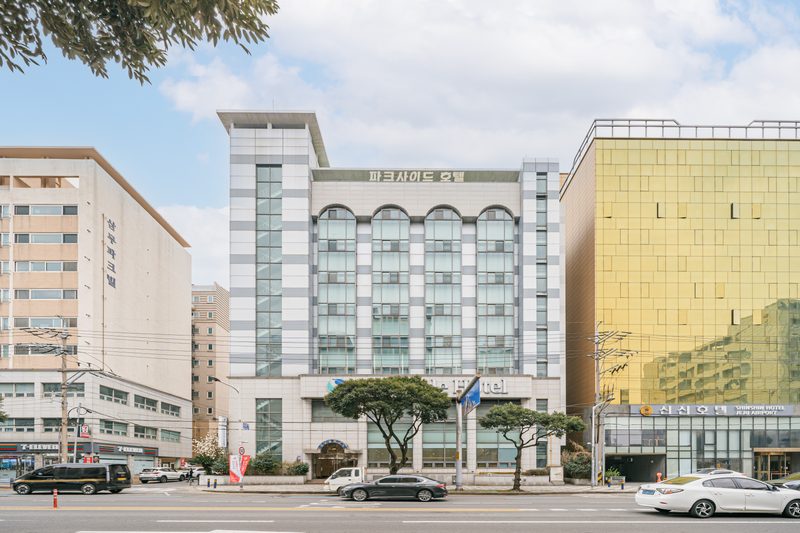
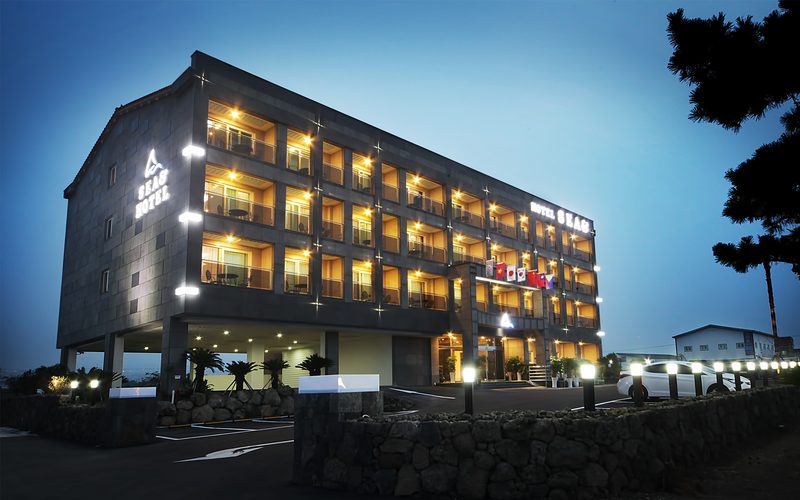
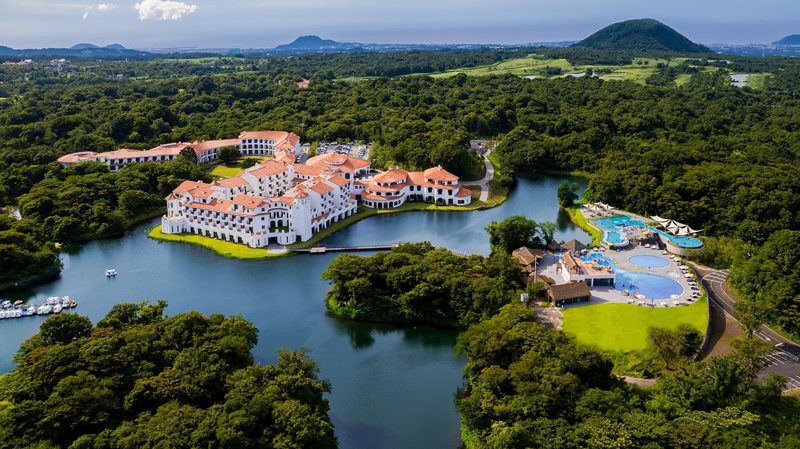
Where to Stay in Jeju in May
Hand-picked hotels across price tiers for May travellers.
Public Holidays in May
Dates that affect opening hours, transport and crowds
노동절
Known in English as Labour Day. Observed nationwide as a public holiday.
어린이날
Known in English as Children's Day. Observed nationwide as a public holiday.
부처님 오신 날
Known in English as Buddha's Birthday. Observed nationwide as a public holiday.
노동절
Known in English as Labour Day. Observed nationwide as a public holiday.
부처님 오신 날
Known in English as Buddha's Birthday. Observed nationwide as a public holiday.
어린이날
Known in English as Children's Day. Observed nationwide as a public holiday.
Packing Checklist
Bookmark this page — your progress is saved between visits
Need the full list with shopping links?
Climate-specific gear, brand recommendations, and what to leave at home.
View Jeju Packing List →Essential Tips
Insider knowledge and common pitfalls to avoid
Insider Knowledge
Locals know that the best haenyeo (women diver) demonstrations aren't always the scheduled tourist ones. Drive along the east coast roads around Seongsan in the late afternoon. Look for clusters of black neoprene suits and floating nets near the shore. That's the real, unfiltered action.
For the famous black pork barbecue, skip the packed restaurants in Jeju City. Head to the smaller towns like Pyoseon or Aewol. Family-run spots there grill over oak charcoal, filling the alley with a savory, smoky scent you can follow.
If a sudden rain shower hits, don't retreat to your hotel. Duck into one of Jeju's many themed museums. The Teddy Bear Museum, the Glass Castle, the Alive Museum. They're wonderfully, unapologetically kitschy. A perfect, dry way to kill an hour.
Rent a car. Full stop. Jeju's bus system exists but is slow and doesn't reach the best coastal viewpoints or hidden cafes. Having your own wheels lets you chase the sunshine, stop at every seaside haewon (cafe with an ocean view), and explore on Jeju's time.
Avoid These Mistakes
Underestimating the wind and sun. Travelers get lulled by the mild temperatures. They end up wind-burnt and dehydrated after a day on the coast.
Trying to do too much in one day. Distances on Jeju are deceptive. A drive from Seogwipo to Hallasan's trailhead can take over an hour with traffic. Pick one region per day.
Only eating at places with English menus. Some of Jeju's best meals are at back-alley joints serving dombe (pork belly) stew or kongnamul gukbap (bean sprout soup). You point and nod.
Ready to plan your trip to Jeju?
Now that you've got the research covered, here's where to go next.
Explore More Activities in Jeju
Didn't see anything interesting yet?
Browse Viator's full catalog of tours, day trips, food experiences, and private guides in Jeju.
See All Jeju Tours on Viator